As scientific research becomes more and more complex, scientists need new, scalable ways to store and analyze ever-larger troves of data. They also need unprecedented amounts of raw computing power to process the data they obtain and deliver timely results that enable projects to stay on track and within budget. To ensure that their research adheres to these restraints, modern-day scientists need to increase efficiency via automation and other approaches whenever they can, wherever they can. Artificial intelligence (AI) and cloud technology give scientists the tools they need to advance research faster than ever before, get results quicker, and achieve scientific breakthroughs like never before.
In this video, you’ll learn how researchers at Australian National University (ANU) are using Microsoft Azure to dramatically shorten the amount of time they spend on data analysis, enabling faster publication of their cutting-edge genome research.
Microsoft Teams provides virtual solutions in response to an unexpected crisis.
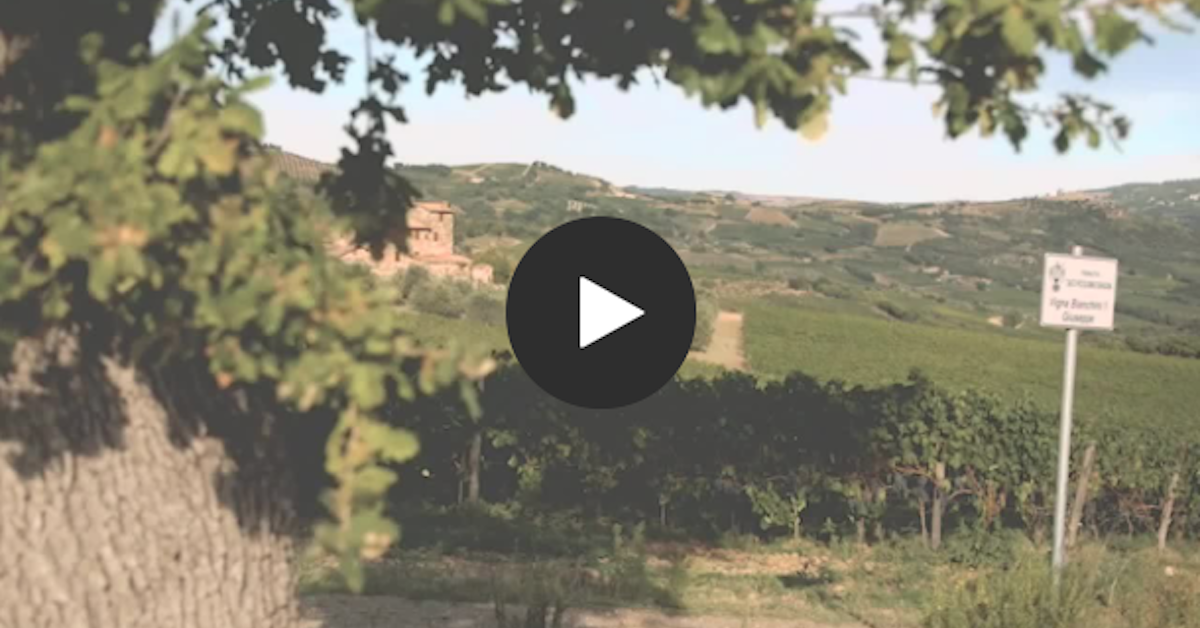
For three generations, the Bianchini family has been creating exceptional wines on their idyllic estate, maintaining the traditions of a historic estate while staying one step ahead of the latest developments in the world of wine. With the recent COVID-19 pandemic and trade shows postponed and international travel impossible, everything changed. The Ciacci winery responded by turning to Microsoft Teams. To keep the business thriving, they moved quickly to replace in-person gatherings with virtual wine tastings using Teams meetings. Family members also used Teams to work together and connect with partners and suppliers, making the adjustment a perfect balance of tradition and technology.
As the world’s population increases, farmers need to keep up with rising demand for their crops and livestock. But with climate conditions changing and resources becoming more precious, it’s critical for modern farms to seek innovative solutions that allow them to upscale their production without increasing their impact on the environment.
Subscribe now to learn how digital solutions powered by Microsoft Azure can be leveraged across both large-scale and small independent farming operations to increase yields and create a more-sustainable industry.
As the world’s population increases, farmers need to keep up with rising demand for their crops and livestock. But with climate conditions changing and resources becoming more precious, it’s critical for modern farms to seek innovative solutions that allow them to upscale their production without increasing their impact on the environment.
Subscribe now to learn how digital solutions powered by Microsoft Azure can be leveraged across both large-scale and small independent farming operations to increase yields and create a more-sustainable industry.
In many regions of Africa, climate change has had a profound impact on independent farmers, especially those in isolated areas who lack proper access to running water. Dry seasons are increasingly longer and rains scarcer, making maintaining crops a bigger and bigger challenge with each passing year. For these farmers, traditional methods that were handed down for generations no longer yield the results they need to feed their families, leaving them in a desperate situation. Fortunately, modern technology and digital transformation are now able to provide these farmers with the tools they need to sustain their way of life during these challenging times.
In this video, you’ll learn how Monica, an independent farmer in Kenya, managed to overcome hardships brought on by climate change by using sustainable energy, accurate weather data, and Microsoft Azure.
In many regions of Africa, climate change has had a profound impact on independent farmers, especially those in isolated areas who lack proper access to running water. Dry seasons are increasingly longer and rains scarcer, making maintaining crops a bigger and bigger challenge with each passing year. For these farmers, traditional methods that were handed down for generations no longer yield the results they need to feed their families, leaving them in a desperate situation. Fortunately, modern technology and digital transformation are now able to provide these farmers with the tools they need to sustain their way of life during these challenging times.
In this video, you’ll learn how Monica, an independent farmer in Kenya, managed to overcome hardships brought on by climate change by using sustainable energy, accurate weather data, and Microsoft Azure.
When bringing two companies together through acquisitions, you are often bringing in a different culture with different technology. This can often make it difficult to efficiently collaborate. Sharing files and streamlining communication is a common problem. Two of the leading agency networks, McCann and MullenLowe, needed help to create a single platform which enabled their employees to work together through close collaboration. Microsoft Teams provided the solution they were looking for.
With virtual meetings, your team can connect from across the globe. In this article, read five tips to help you ensure high productivity and efficiency during your virtual meetings. You’ll also learn techniques for keeping cameras on, connecting with your people with empathy, asking if there’s anything they need, ensuring there’s space for attendees to share their thoughts, and setting an agenda with an outline.
As societies and workplaces become more digitized, our culture does, too. This daily interaction with technology engenders fascination and speculation about the role devices and technological advancements will play in our societies’ future. Some—if not most— of these assumptions are based on artistic portrayals of the future of technologies such as artificial intelligence (AI), and they are often far from providing an accurate representation of what actually awaits us in the realm of AI and machine learning.
Read this article to uncover the truth behind 12 misconceptions about AI and get a more accurate view of the present and future capabilities of this technology.